Preparing Tackle for a Big Fish Session
A big fish exposes every weak point in your setup. This guide explains how to build a balanced rig and check it before the first cast.
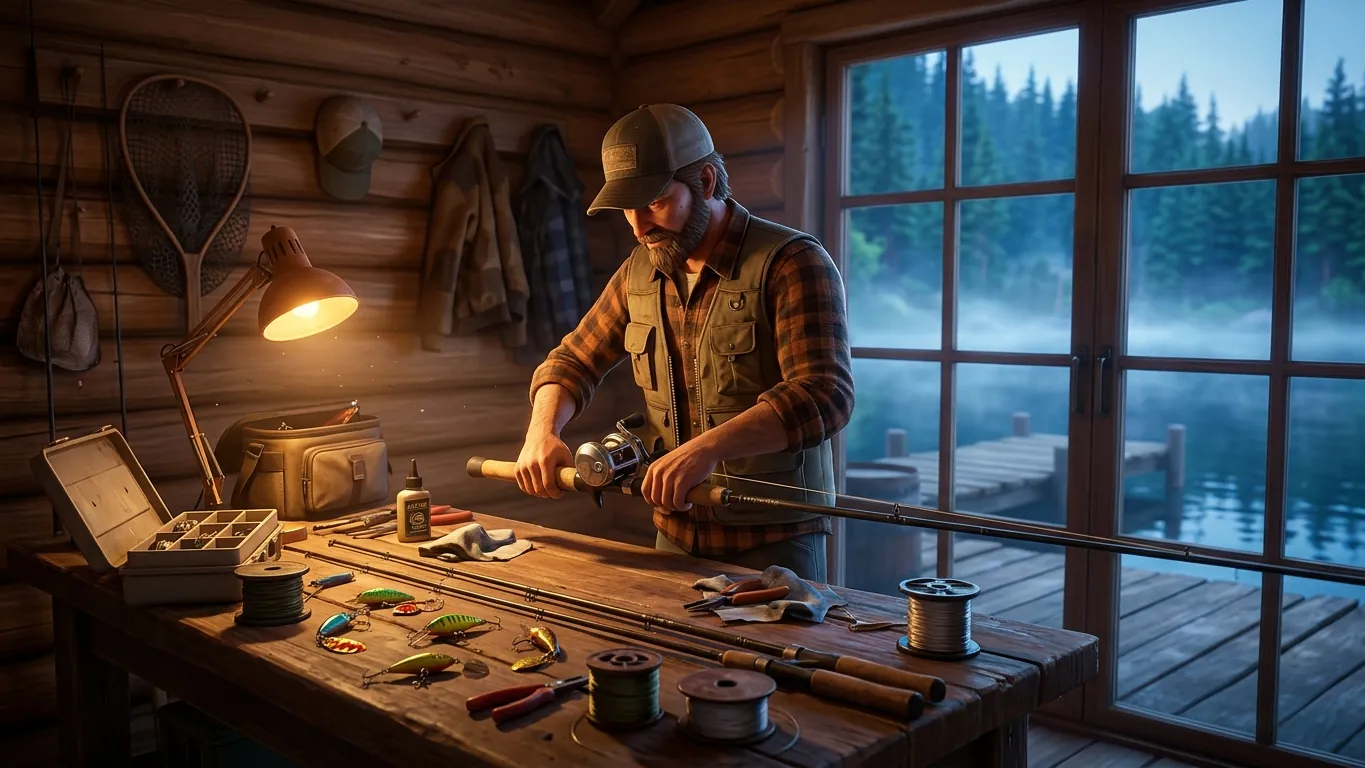
Start With the Fish, Not the Gear
The most common mistake is building a rig first and then looking for something to catch with it. Turn it around. Pick the species you want to target, then find out roughly how large it can grow and how it behaves when hooked.
A fish that runs hard and long needs line capacity and a smooth drag. A fish that stays near cover needs enough strength to turn it away from snags. A fish with sharp teeth may need a sturdier leader. Once you know what you are dealing with, every tackle choice has a reason behind it.
Write that reason down. When something fails later, you will know which decision to question.
Matching Rod and Reel to the Fight
The rod and reel decide how much pressure you can apply and how long you can sustain it. A rod that is too light bends past its limit when a heavy fish surges. A rod that is too stiff can make it easier to pull hooks or snap line.
Look at the rod's rated load and the reel's drag capacity together. They should support the same range. A strong reel on a weak rod, or the other way round, only moves the weak point somewhere else.
Also consider the casting technique. Spinning, casting, float and bottom setups each suit different situations. Choose the type that fits your tactic first, then pick a strength that fits your target fish.
Line, Leader and the Weakest Link
Your setup is only as strong as its weakest component. That might be the main line, the leader, the knot point or the hook. In practice, it is often the leader, because players upgrade the main line and forget the last section.
Aim for a deliberate weak point. If something has to break, it is usually better for it to be the leader than the main line, so you lose less gear. Keep the gap between components reasonable rather than extreme.
Check line capacity on the reel as well. A big fish can take a lot of line on its first run. If the spool runs low, there is nothing left to work with, no matter how strong the line is.
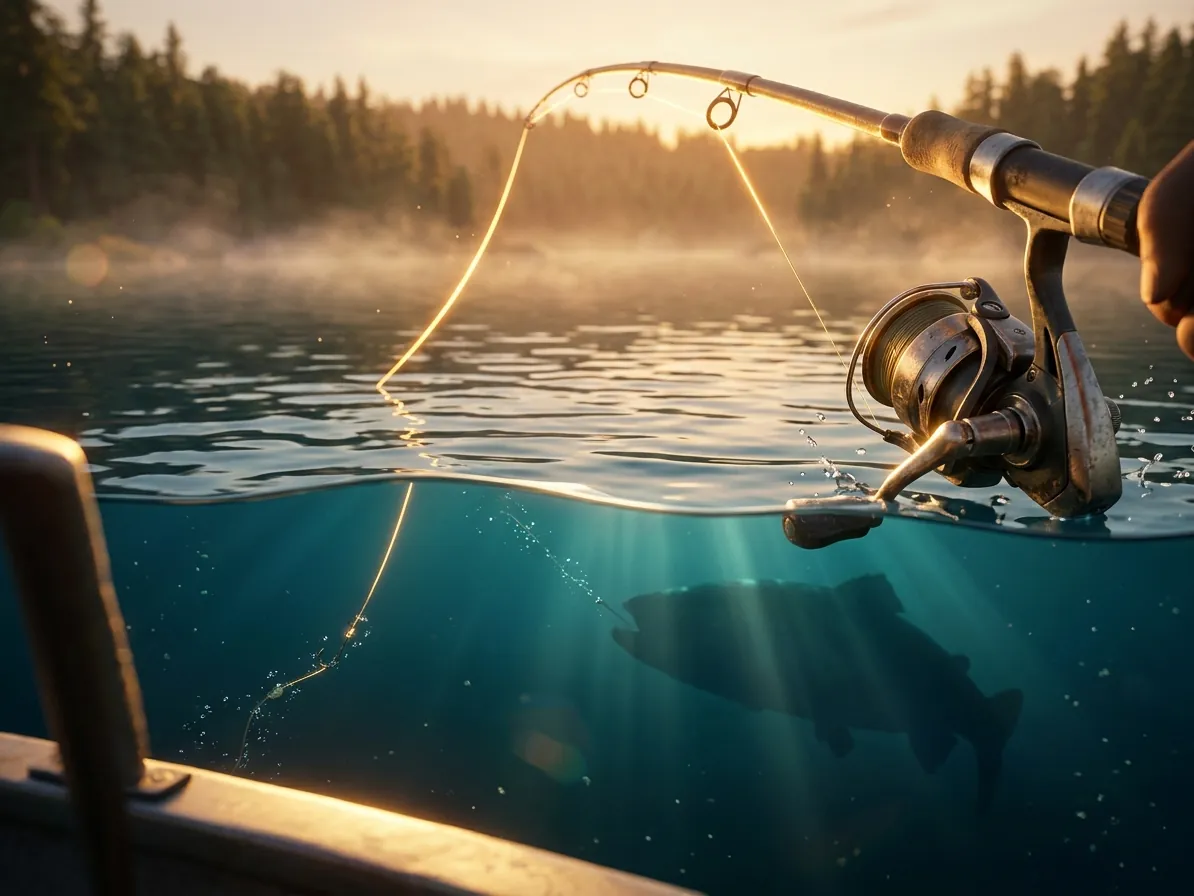
A Pre-Session Tackle Check
Run through this short routine before heading to the water. It takes a minute and prevents many avoidable losses.
- 01
Confirm the target
Name the species and the approximate size you are hoping for, so the rest of the check has a clear reference.
- 02
Compare ratings
Make sure rod load, reel drag, line and leader strength all sit in a compatible range.
- 03
Find the weakest link
Identify which component would fail first and decide whether that is acceptable.
- 04
Check line capacity
Confirm the spool holds enough line for a long run from the fish you expect.
- 05
Prepare a backup rig
Set up a spare rod or spare leaders so a break does not end the session.
Accepting the Trade-Offs
There is no perfect rig. Heavier line can make some fish more cautious. Stronger setups can be less pleasant for smaller catches. Lighter setups may get more bites but lose more big fish.
The point of preparation is not to remove risk but to choose your risks on purpose. If you decide to fish lighter for more bites, you know a heavy fish might break off. If you go heavier, you accept fewer bites in exchange for a better chance during the fight.
Whatever you choose, keep notes. Over several sessions you will see which balance works best for the fish you are chasing, and your tackle decisions will become faster and more confident.
Related articles
 Choosing Where and How to Fish for a Big One
How to research a location, read depth and structure and choose between active and passive tactics when hunting big fish in Fishing Planet.
Read more
 Fighting a Big Fish Without Losing Your Head
An explainer on drag settings, line tension and calm fight technique for landing large fish in Fishing Planet without rushing the moment.
Read more
 What a Lost Fish Can Teach You
How to review failed big fish attempts in Fishing Planet, separate bad luck from bad choices and turn each lost fish into a useful lesson.
Read more