Line or leader break
Tension exceeded the weakest component, often during a sudden run or a hard pull from the angler.
Every escaped fish leaves clues behind. This article shows how to review a failed attempt honestly and turn it into a clear change for the next session.

A successful catch often hides mistakes. If the fish was hooked well and the line held, you may never notice that your drag was too tight or your leader was borderline. A lost fish removes that cover and shows you exactly where something gave way.
That makes failures valuable, even though they rarely feel that way in the moment. The frustration is real, especially after a long wait for a rare bite. But the hunt for big fish is built on repeated attempts, and each attempt is more useful when it is examined rather than forgotten.
The goal is not to blame yourself. It is to collect evidence.
Most losses fall into a few familiar categories. Identifying the category is the first step of any review.
Tension exceeded the weakest component, often during a sudden run or a hard pull from the angler.
The hook set was weak or the pressure was uneven, letting the hook slip during the fight.
The fish reached weeds, rocks or logs and the line caught or was cut.
The fish took more line than the reel held during a long run.
The strike came too early or too late, and the fish dropped the bait before a solid hook set.
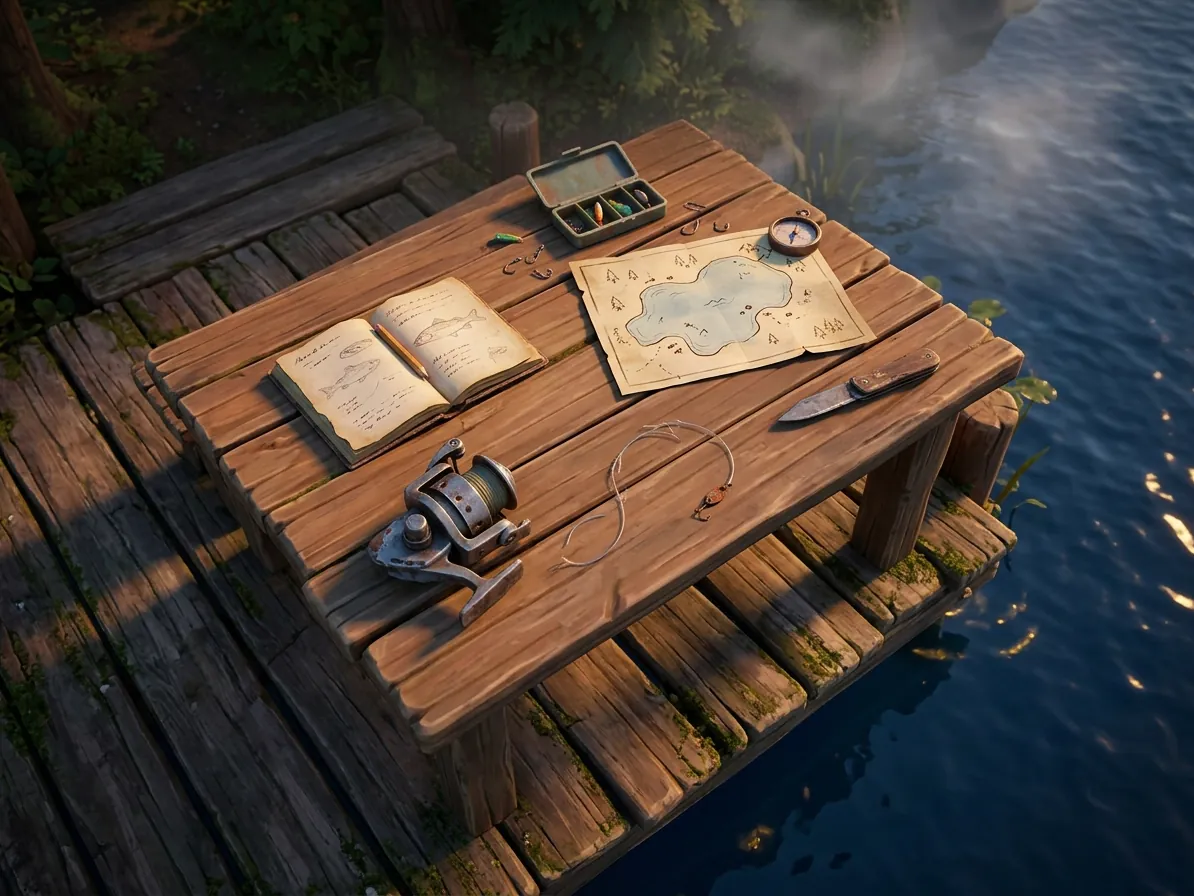
Right after a loss, write down the essentials while they are fresh. Note the species if you saw it, the spot, the time of day, the weather, your full tackle setup and your drag setting.
Then describe the fight in a few lines. How did the fish start? Where did it run? What was the tension doing just before the break or escape? Did you change anything during the fight?
Finally, pick the most likely cause from the categories above. Be honest. If you reeled hard during a run, write that down. A review only works if it records what actually happened rather than what you hoped happened.
Not every loss is a mistake. Sometimes a fish runs into a snag you could not have seen, or a rare fish is simply heavier than any reasonable setup for that spot. That is part of the game.
To tell the difference, ask one question: would a different decision, made before or during the fight, likely have changed the result? If the answer is yes, it is a lesson. If the answer is no, it was variance, and the right move is to keep going.
Treating bad luck as a mistake leads to constant overcorrection. Treating mistakes as bad luck means repeating them. Keeping both categories clear protects your progress.
A review is only useful if it leads to one specific change. Keep it small and testable. Lower the starting drag a little. Upgrade the leader. Fish slightly further from heavy cover. Wait a moment longer before the hook set.
Apply that change in the next few sessions and see whether the same problem returns. If it does not, the lesson is confirmed. If it does, look at the next most likely cause.
Over time, your list of reviewed losses becomes a personal guide built from your own play. It will be more relevant to your style than any general advice, and it makes the next big fish a little more prepared for.
 Why Personal Goals Make the Hunt Better
An opinion piece on setting clear personal goals in Fishing Planet, measuring progress without a catch and keeping the big fish hunt enjoyable.
Read more
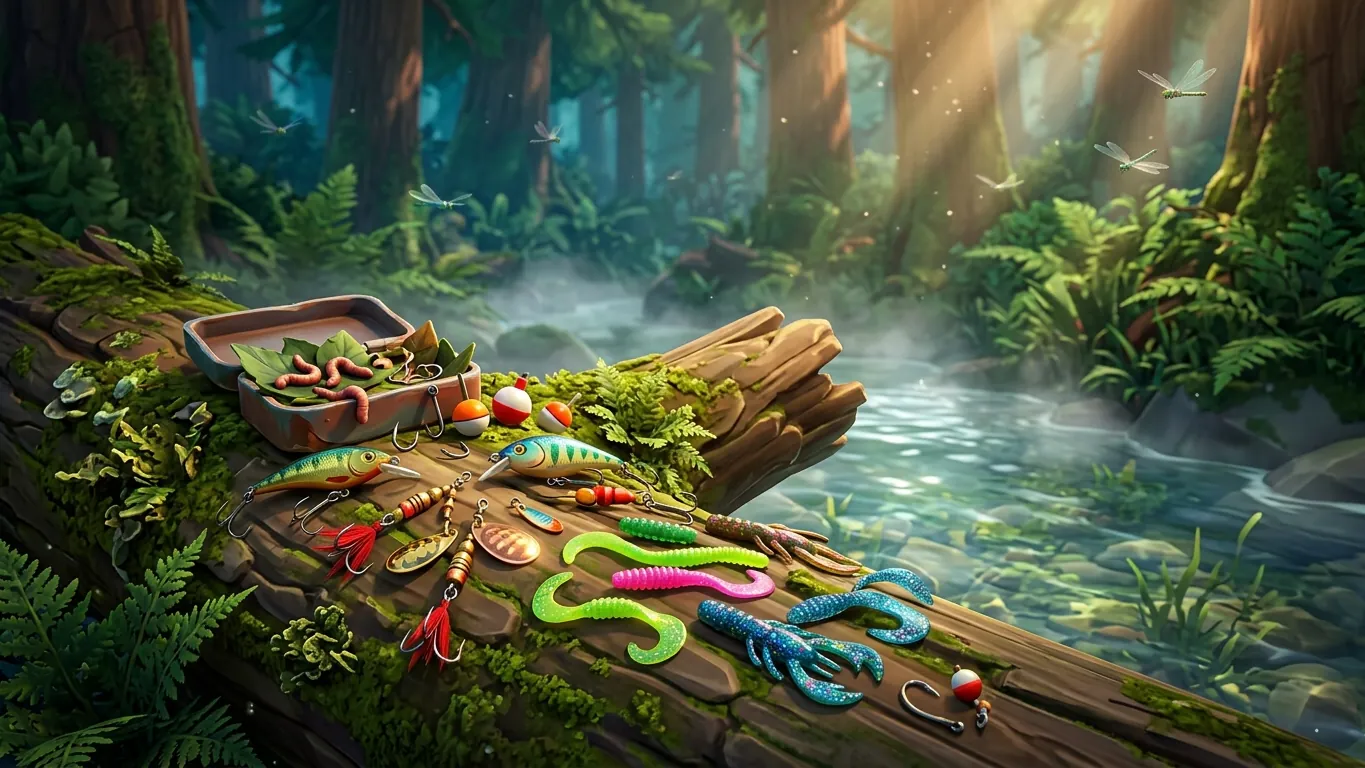 Choosing Baits and Lures for Larger Fish
A basic guide to choosing baits, lures and hook sizes when targeting larger fish in Fishing Planet, with a simple method for testing them.
Read more
 Planning Around Time of Day and Weather
Tips on planning Fishing Planet sessions around time of day and changing weather when hunting big fish, without relying on superstition.
Read more