Why Personal Goals Make the Hunt Better
Chasing a big fish without a goal often turns into random casting. This opinion piece argues for clear, personal targets that keep the search focused and fun.
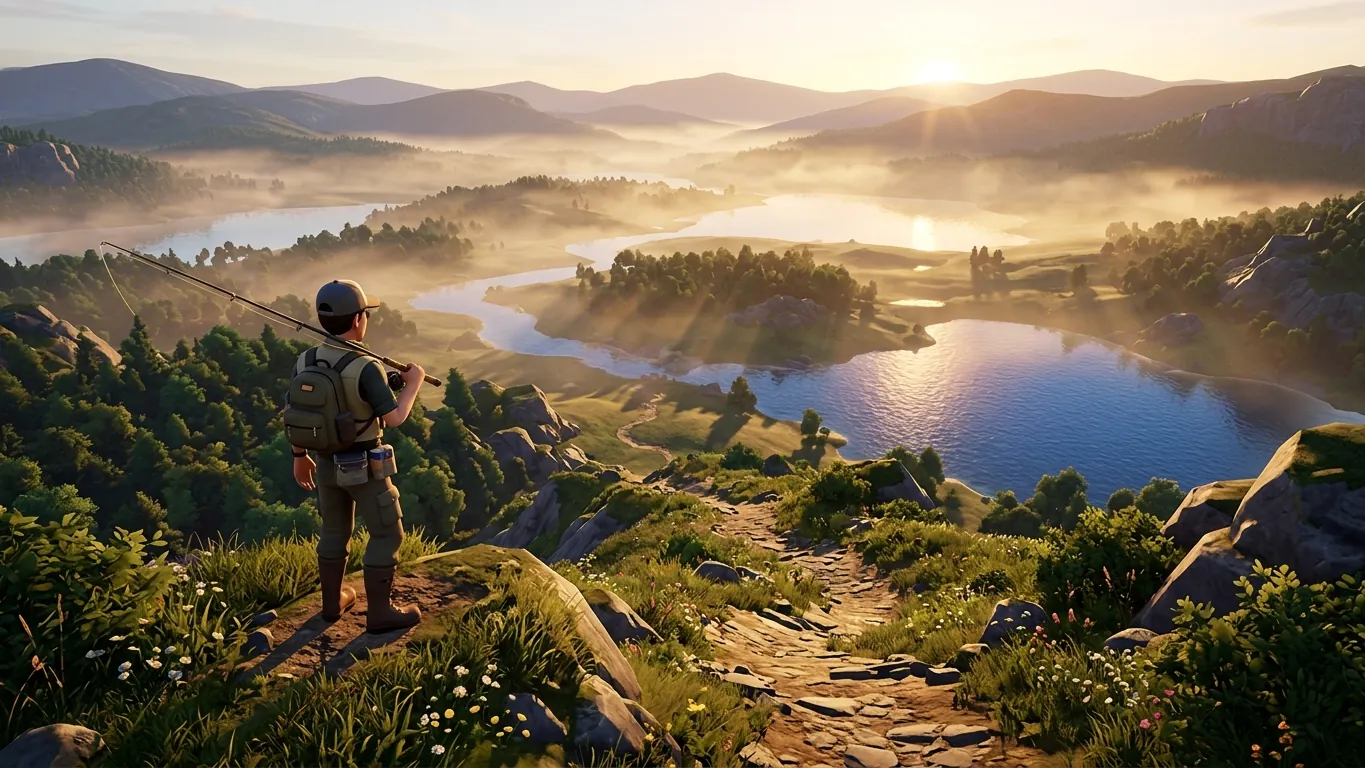
Goals Beat Random Casting
It is easy to log in, pick a familiar spot and cast for an hour. Sometimes that is exactly what you want. But if your aim is a large fish, unfocused sessions rarely build toward anything.
A personal goal changes how you play. It tells you which water to visit, which species to read about, which tackle to prepare and which mistakes to watch for. It also gives each session a purpose, even if nothing big bites.
In my view, this is where much of the enjoyment of the game sits. The search becomes a small project, and every session adds a piece to it.
Good Goals and Vague Goals
Catch something big is a vague goal. It does not tell you where to go or what to prepare, and it is hard to know when you are making progress.
A better goal names a species and a water body, and ideally a size you are aiming for. It might also include a method, such as catching it on a lure rather than bait. This level of detail turns the goal into a plan.
Keep goals personal. They should reflect your interests and your available play time, not someone else's achievements. A goal that excites you is more likely to keep you coming back through the inevitable quiet sessions.
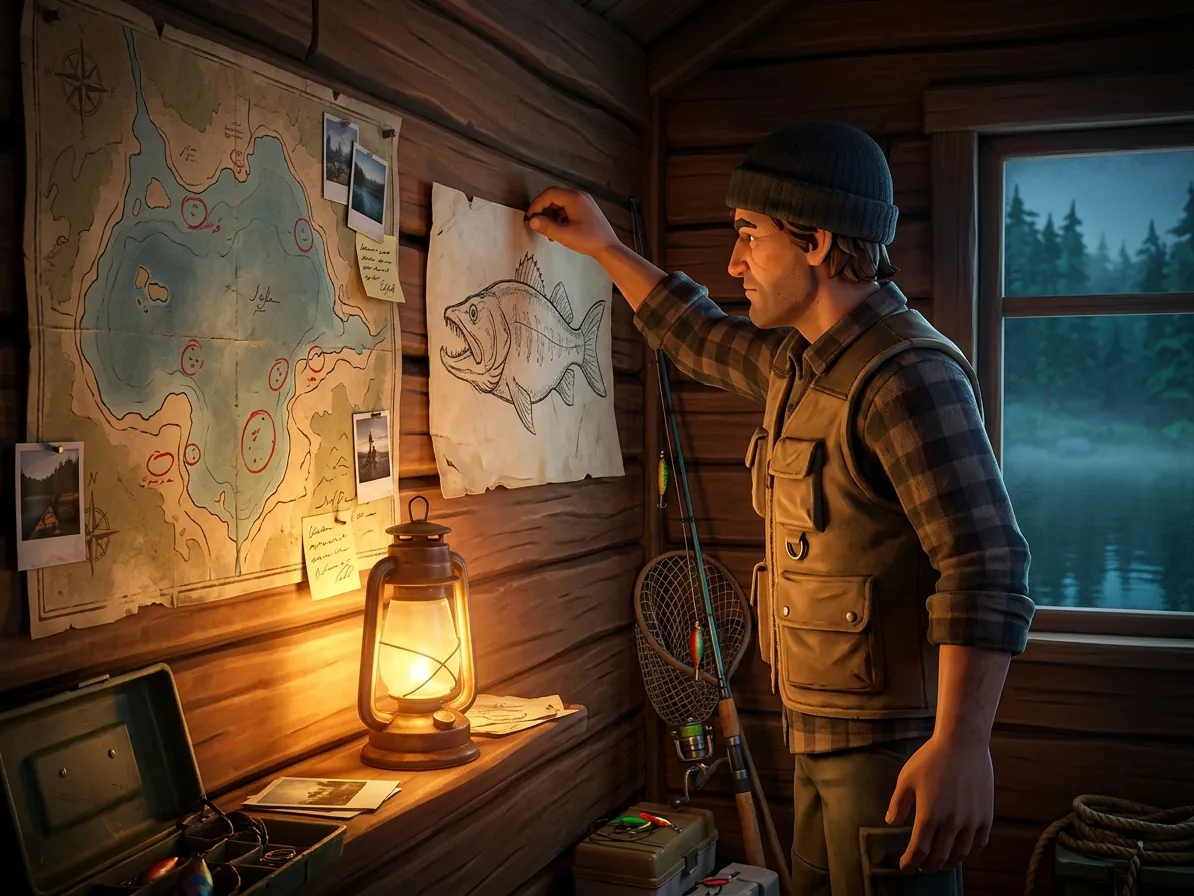
Measuring Progress Without a Catch
The hardest part of a big fish goal is that the final result is rare. If the only measure of success is landing the fish, most sessions will feel like failures.
Instead, track smaller markers. Did you find a spot that holds your target species? Did you hook a larger fish than before, even if you lost it? Did you identify and fix a weak point in your tackle? Did your fights become calmer and more controlled?
These markers show that you are getting closer. They also make your notes more useful, because they show which decisions improved your chances rather than only recording catches.
Keeping the Hunt Enjoyable
Focused goals can turn into pressure if you are not careful. Long empty sessions, repeated losses and comparison with other players can drain the fun out of the search.
A few habits help. Mix goal sessions with relaxed sessions where you fish for whatever bites. Set a time limit for a single attempt and stop when it ends. Celebrate the small markers of progress rather than waiting only for the big moment.
Remember that this is a game. The point is to enjoy exploring, learning and testing ideas. If a goal stops being fun, it is fine to pause it, change it or choose a different fish for a while.
Sharing the Journey
Big fish goals often make good stories, especially the attempts that did not work. Writing down your journey, even just for yourself, helps you see how far you have come.
Sharing it with other players can help too. Explaining your reasoning forces you to organise it, and other anglers may notice things you missed. Discussions about lost fish are often more useful than photos of successful catches.
If you are working toward a personal goal and would like to see a related topic covered on this blog, you are welcome to suggest it through the contact form. Your question might become the next article.
Related articles
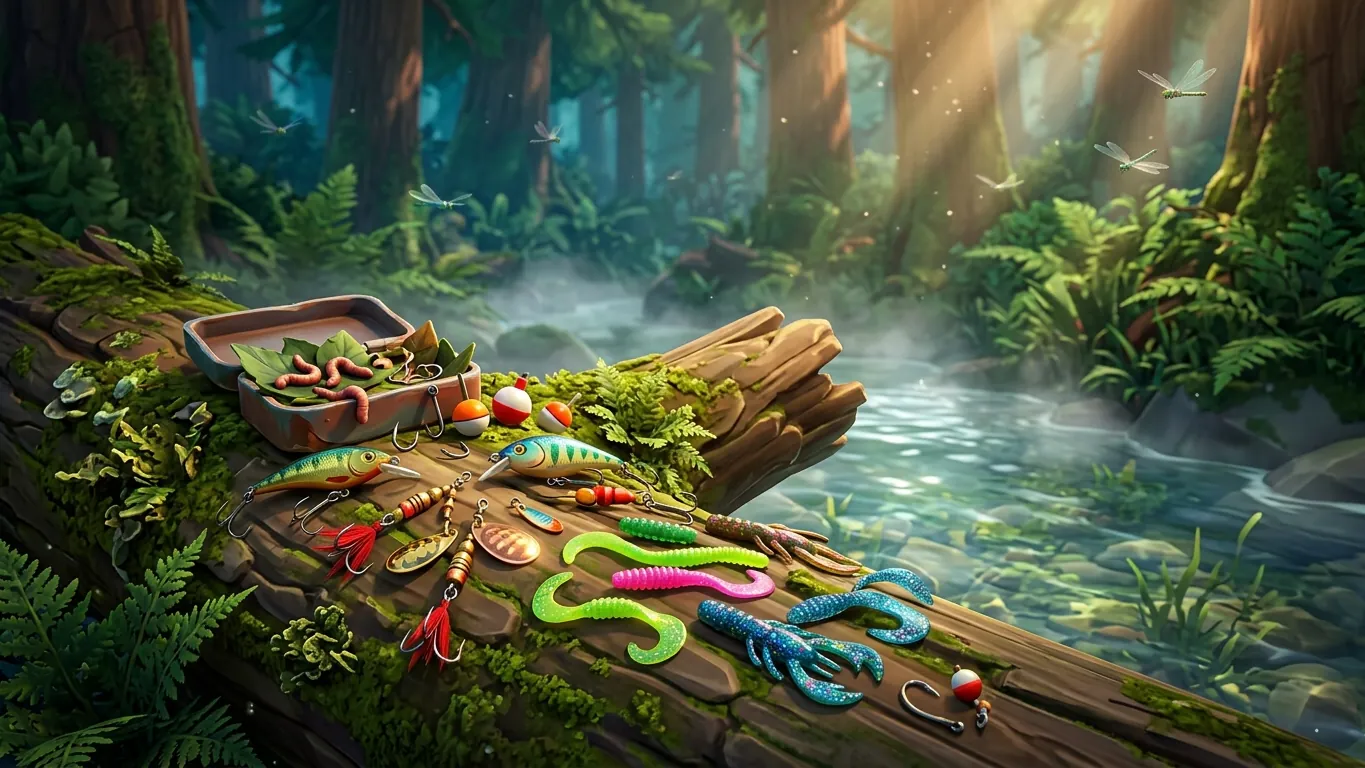 Choosing Baits and Lures for Larger Fish
A basic guide to choosing baits, lures and hook sizes when targeting larger fish in Fishing Planet, with a simple method for testing them.
Read more
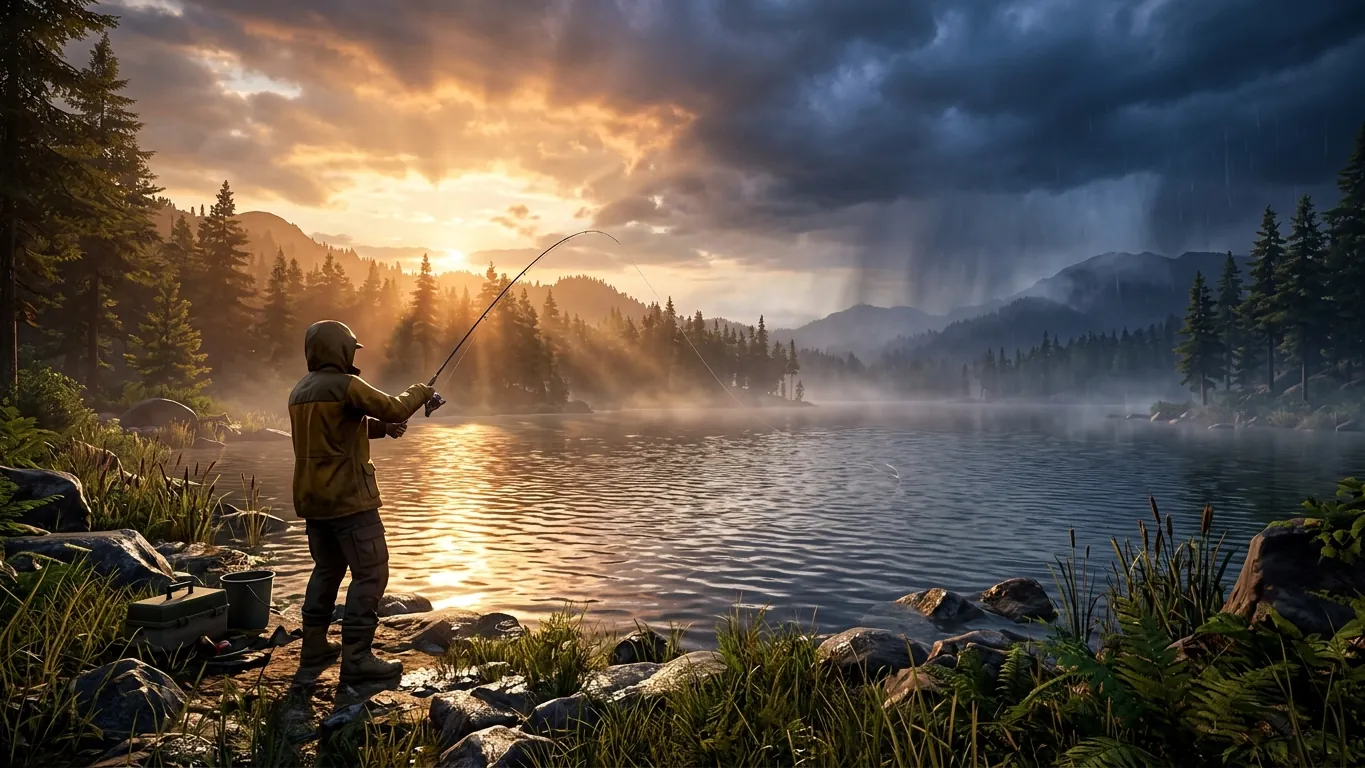 Planning Around Time of Day and Weather
Tips on planning Fishing Planet sessions around time of day and changing weather when hunting big fish, without relying on superstition.
Read more
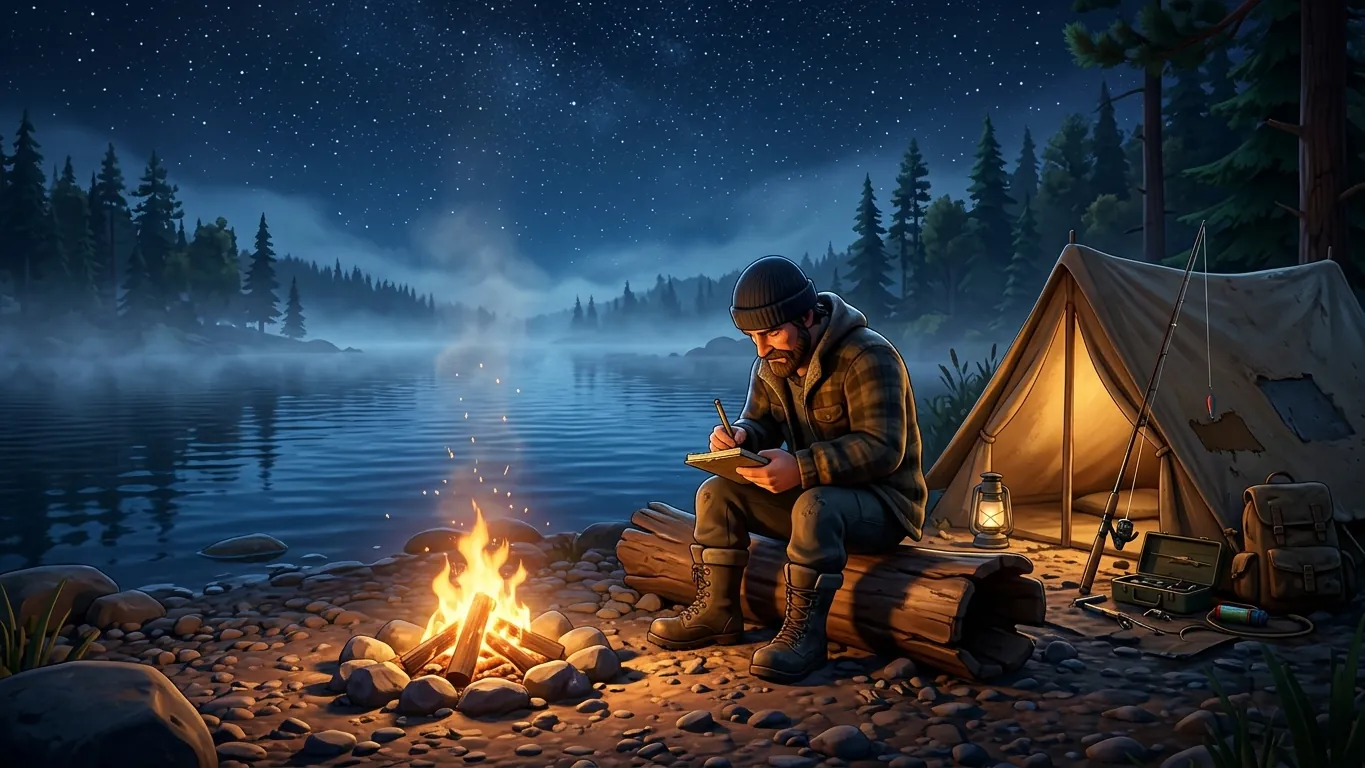 Keeping a Log of Every Big Fish Attempt
Practical tips on keeping a fishing log in Fishing Planet: what to record, a simple format and how to read patterns across many sessions.
Read more