Location and spot
The water body and a short description of the exact spot, such as a drop-off or weed edge.
Memory blurs after a few sessions, but a simple log does not. These tips show what to record and how to turn notes into better decisions.
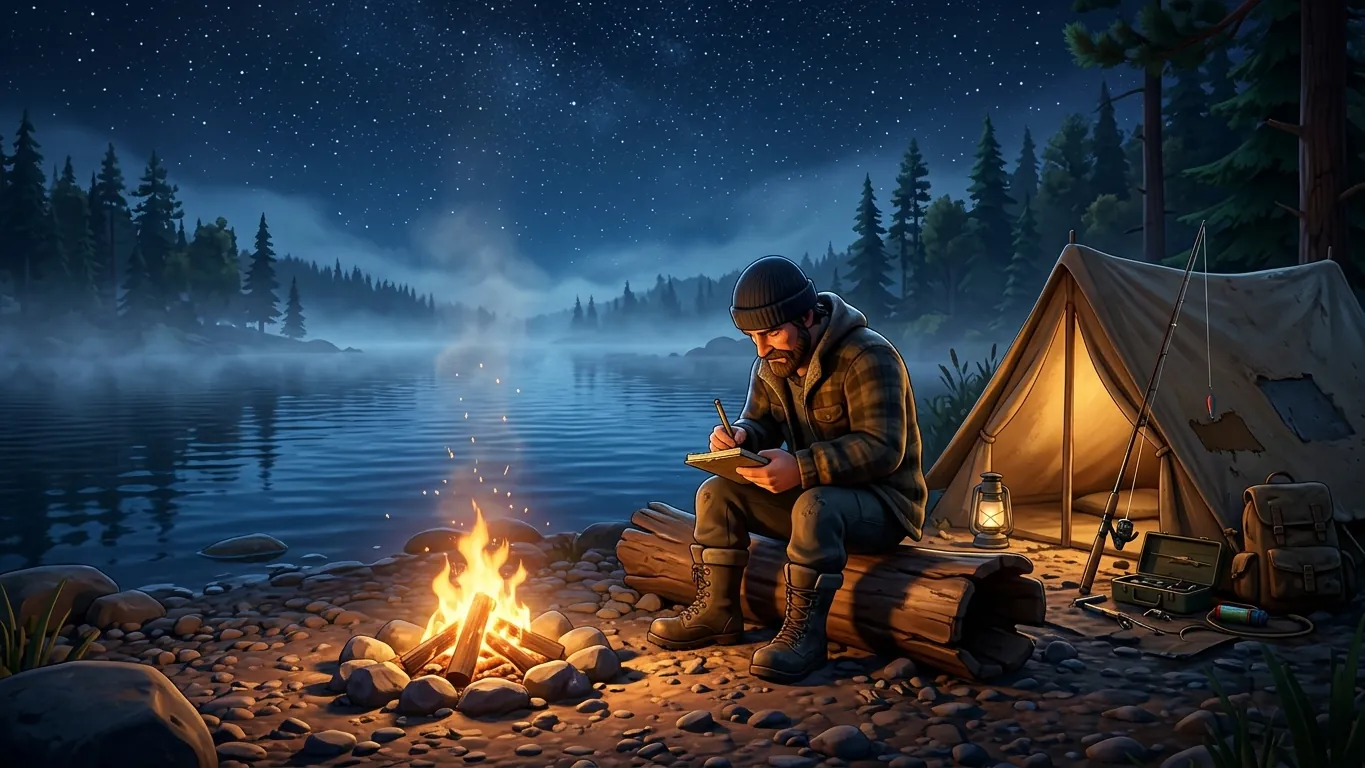
After a dozen sessions, details start to merge. You may remember the fish you caught but forget the spot, the bait or the time. You will probably remember the frustration of a lost fish but not the drag setting you were using.
A log fixes this. It turns scattered experiences into something you can review. When you hunt rare fish, each attempt is valuable information, and losing that information means repeating experiments you have already done.
A log does not need to be complicated. A few consistent lines per session are far more useful than a detailed entry once in a while.
These are the details that most often explain why a session went the way it did.
The water body and a short description of the exact spot, such as a drop-off or weed edge.
The in-game time of day and the weather when you started and when anything notable happened.
Rod, reel, line, leader, hook and drag setting, so you can trace any failure back to a component.
The bait or lure, its size and the retrieve or presentation you used.
Bites, catches with sizes, and lost fish with a short note on how they were lost.
Keep one entry per session. Start with the date, location, time and weather. Add your tackle and bait in one or two lines. Then list notable events in order: bites, catches and losses.
End each entry with one sentence about what you would change next time. This small habit links your log directly to your future decisions.
Use whatever tool is easiest for you, whether that is a paper notebook, a spreadsheet or a plain text file. What matters most is that you keep the same structure every time. A consistent format makes it much easier to compare sessions later.
After ten or twenty entries, read through your log in one sitting. Look for repeats. Do bigger bites cluster around a certain time? Does one spot produce more of your target species? Do lost fish share a common cause?
Be careful with small samples. Two good sessions in the same conditions are interesting, not conclusive. Mark possible patterns and test them on purpose in the next few sessions.
Also look at what is missing. If you have never fished a certain spot at night, or never tried a particular bait size, those gaps are natural candidates for your next experiment.
Beyond its practical value, a log tells the story of your hunt. Reading back through early entries shows how much your approach has changed: calmer fights, better tackle balance, smarter spot choices.
That story matters on difficult days. When a session ends empty, flipping back through the log reminds you that progress is still happening, even when the big fish has not appeared yet.
If your log reveals a question you cannot answer, or a pattern you would like a second opinion on, feel free to suggest it as a topic through the contact form. Shared questions often lead to the most useful articles.
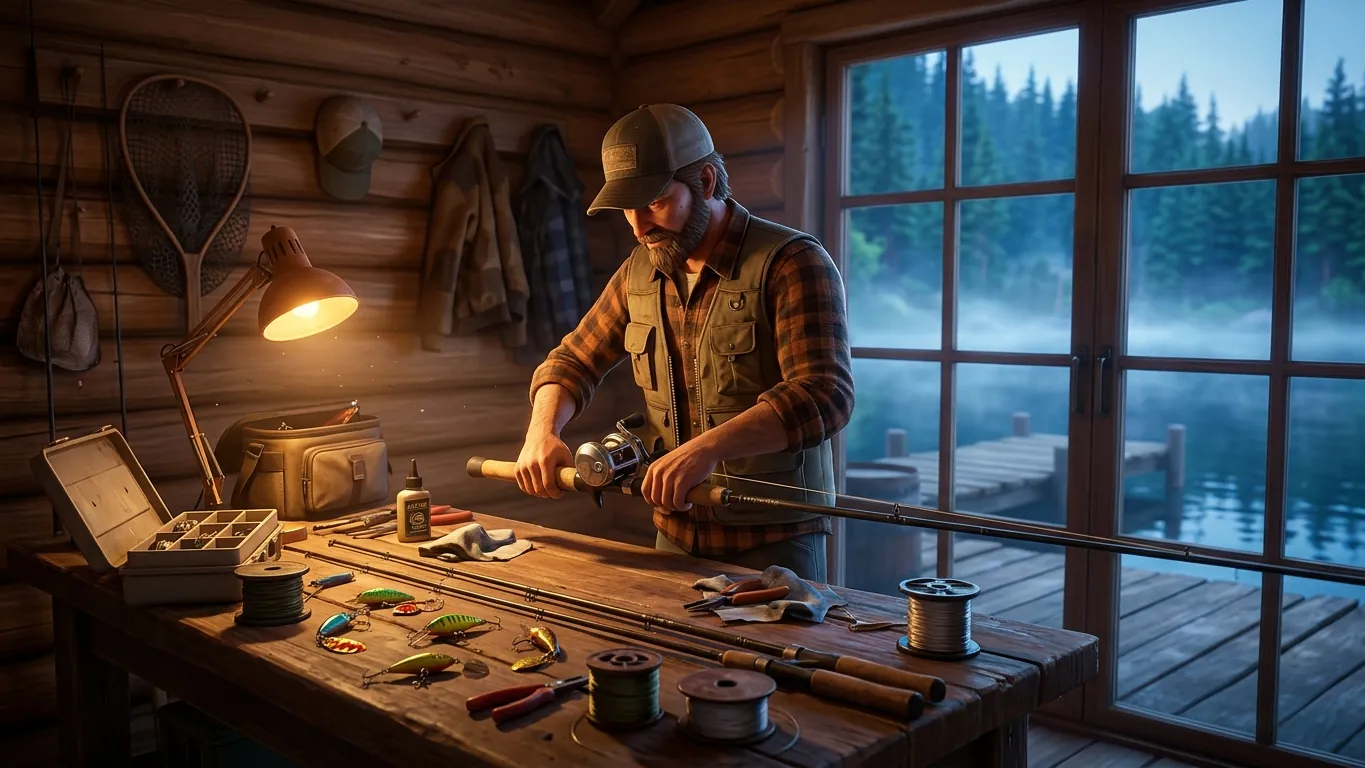 Preparing Tackle for a Big Fish Session
A practical guide to preparing rod, reel, line, leader and hooks for big fish in Fishing Planet, with a simple pre-session tackle check.
Read more
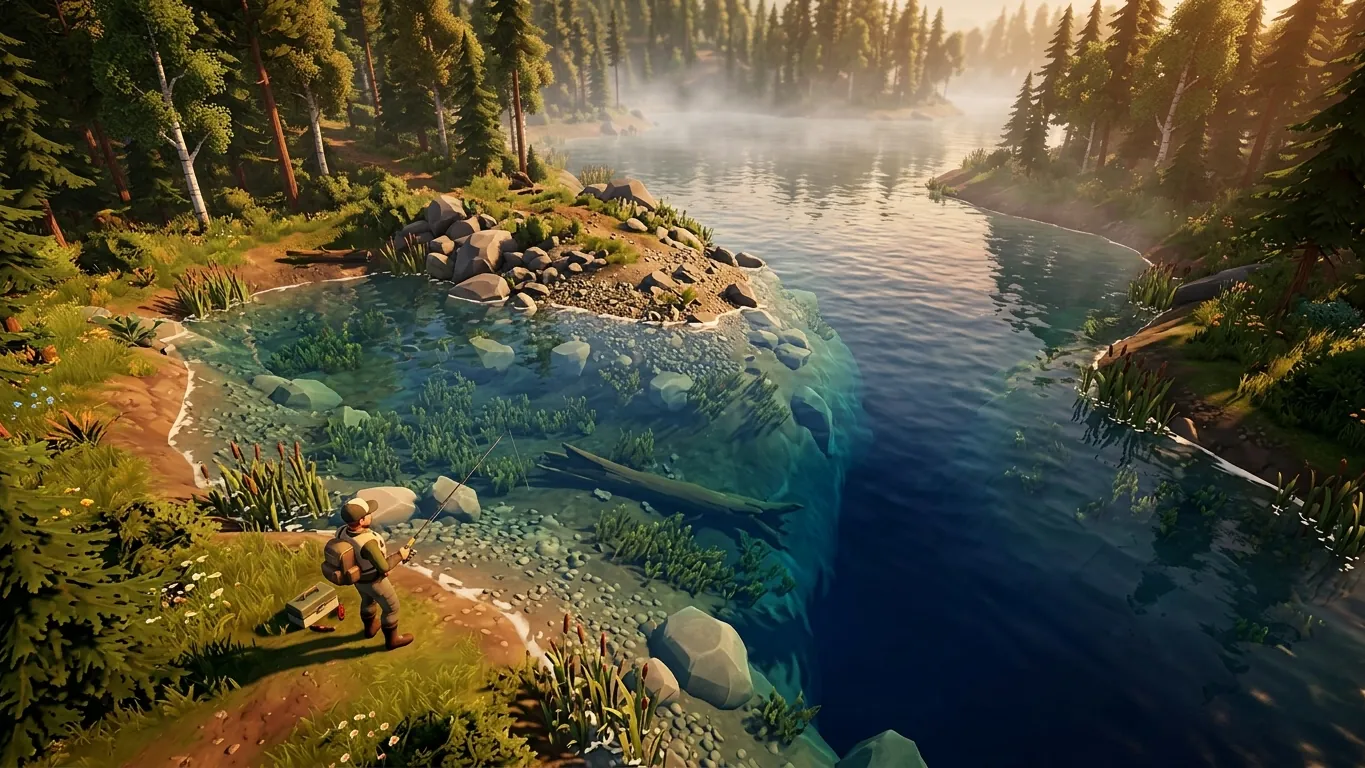 Choosing Where and How to Fish for a Big One
How to research a location, read depth and structure and choose between active and passive tactics when hunting big fish in Fishing Planet.
Read more
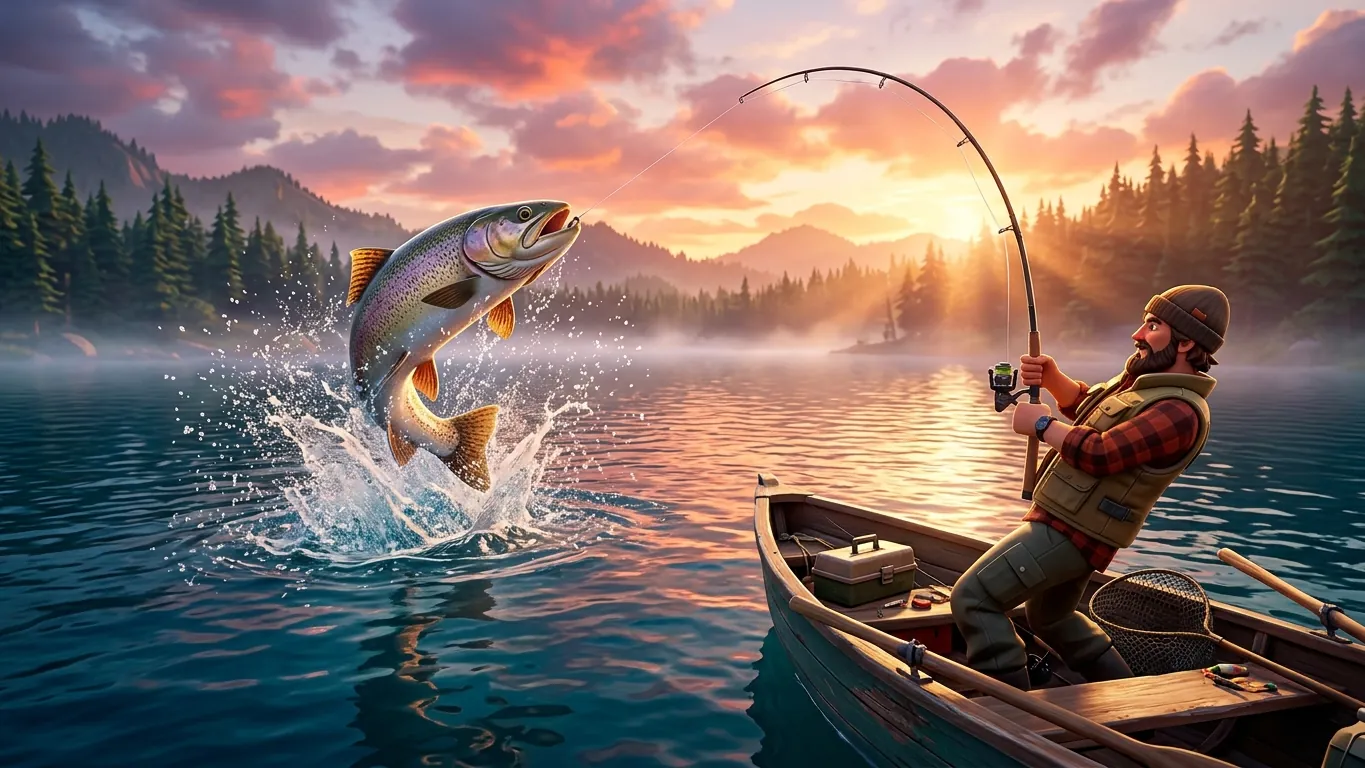 Fighting a Big Fish Without Losing Your Head
An explainer on drag settings, line tension and calm fight technique for landing large fish in Fishing Planet without rushing the moment.
Read more