Fighting a Big Fish Without Losing Your Head
The fight is where weeks of preparation either pay off or fall apart. This guide covers drag, tension and the steady routine that keeps a heavy fish on the line.

The First Seconds After the Hook Set
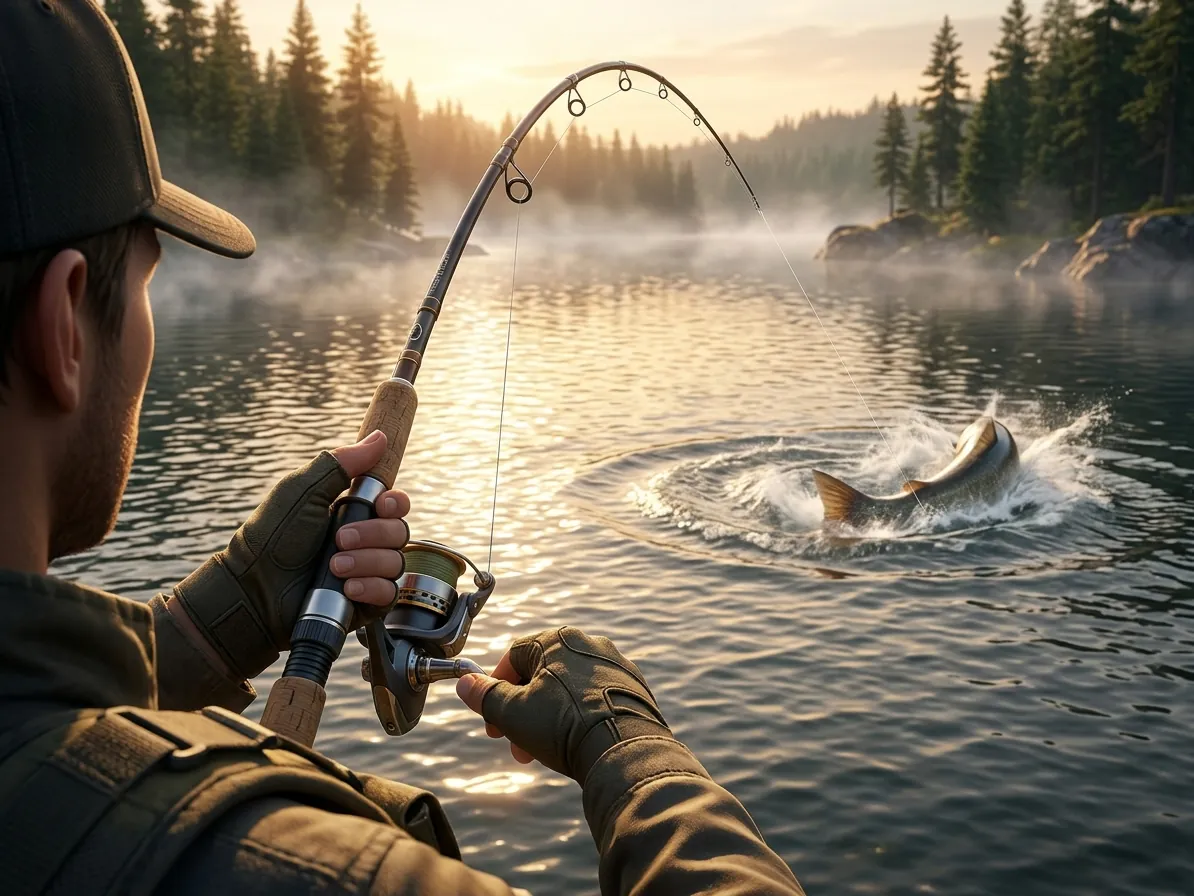
The moment a big fish is hooked is often the most dangerous part of the fight. The fish reacts suddenly, and the angler often reacts too strongly in return.
Resist the urge to reel hard straight away. Let the fish make its first run against the drag. Watch where it is heading and how much line it is taking. If it runs toward obvious snags, apply steady side pressure rather than pure force.
This short pause gives you information. You learn roughly how heavy the fish is and how aggressive it is, and you can decide how hard you can push for the rest of the fight.
Understanding Drag
Drag controls how much resistance the reel gives before it releases line. Set too tight, the line or leader may break during a strong surge. Set too loose, the fish takes line freely and you struggle to gain any back.
A balanced setting lets the fish pull line during powerful runs while still tiring it. Many players set drag slightly below the strength of their weakest component, then adjust carefully during the fight.
Adjust in small steps. Large changes in the middle of a fight can cause sudden spikes in tension. If you find yourself constantly changing the drag, your starting setting may need rethinking for the next session.
Watching Line Tension
Tension is the real limit in any fight. Even with good drag, pulling too hard while the fish is surging can push the line past its strength. Learn to read the tension feedback the game gives you and respond to it calmly.
When tension climbs, ease off. Stop reeling, lower the rod angle slightly, or let the drag work. When tension drops and the fish is resting, that is the moment to gain line.
Think of the fight as a rhythm rather than a tug of war. Pressure, pause, pressure, pause. A heavy fish usually tires through repeated runs, not through one big pull from the angler.
A Calm Fight Routine
This routine helps keep decisions steady when a big fish is on the line.
- 01
Let the first run go
Allow the fish to take line on its initial surge instead of fighting it head on.
- 02
Read the tension
Watch the tension feedback constantly and ease off before it reaches the limit.
- 03
Gain line in pauses
Reel steadily when the fish slows or rests, not while it is running hard.
- 04
Steer away from snags
Use side pressure to guide the fish away from weeds, logs and rocks.
- 05
Stay patient near the end
Expect a final run close to the landing point and keep the same calm rhythm.
Landing the Fish
Many big fish are lost in the last moments. The fish is close, the angler relaxes or rushes, and one final surge breaks the line or pulls the hook.
Keep the same discipline until the fish is fully landed. Expect at least one more run when the fish sees the shore or the boat. Have your drag set so that run can happen safely.
If a fish does escape, take a moment before casting again. Think about what the tension was doing, how the drag was set and where the fish went. Those few seconds of reflection are worth more than an immediate recast, and they feed directly into the next fight.
Related articles
 What a Lost Fish Can Teach You
How to review failed big fish attempts in Fishing Planet, separate bad luck from bad choices and turn each lost fish into a useful lesson.
Read more
 Why Personal Goals Make the Hunt Better
An opinion piece on setting clear personal goals in Fishing Planet, measuring progress without a catch and keeping the big fish hunt enjoyable.
Read more
 Choosing Baits and Lures for Larger Fish
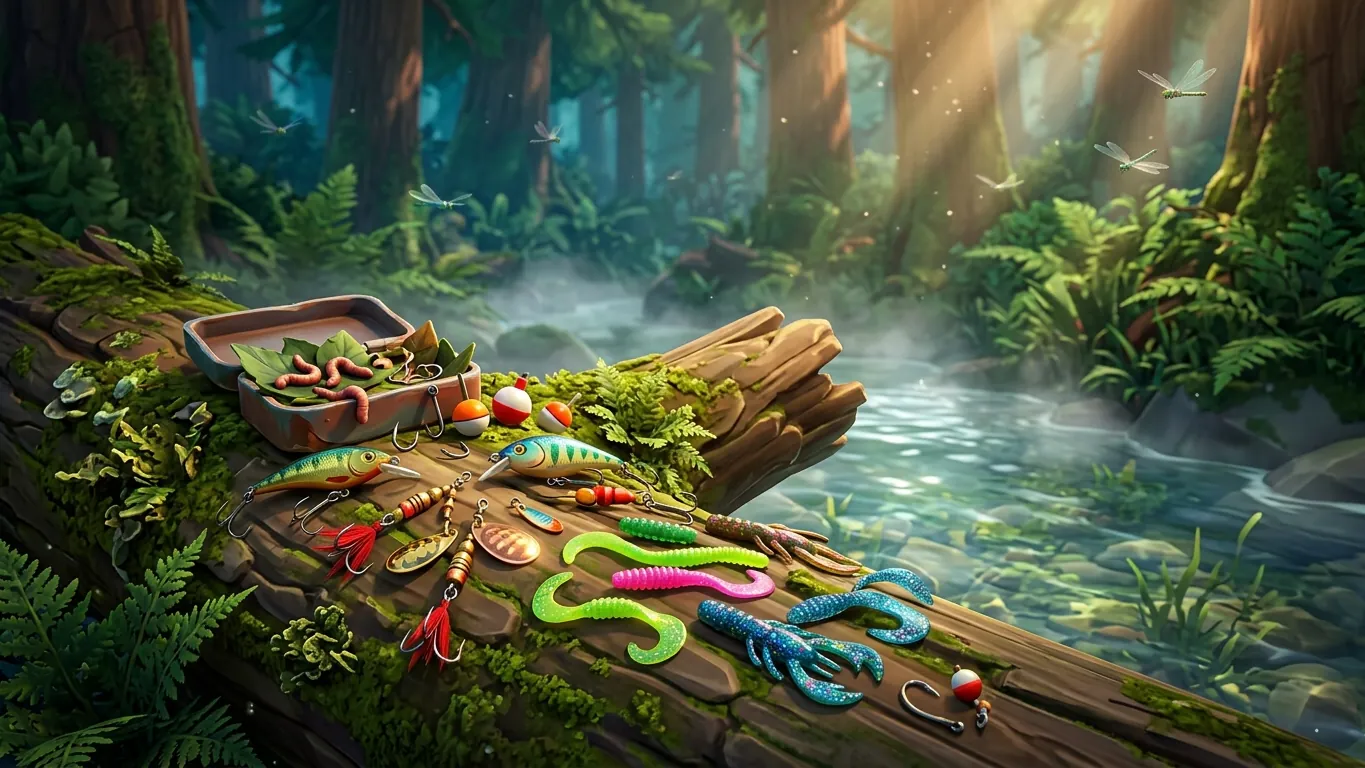
A basic guide to choosing baits, lures and hook sizes when targeting larger fish in Fishing Planet, with a simple method for testing them.
Read more