Choosing Where and How to Fish for a Big One
Location and tactic decide whether a big fish ever sees your bait. This article explains how to plan both with intention instead of habit.
Research Before the First Cast
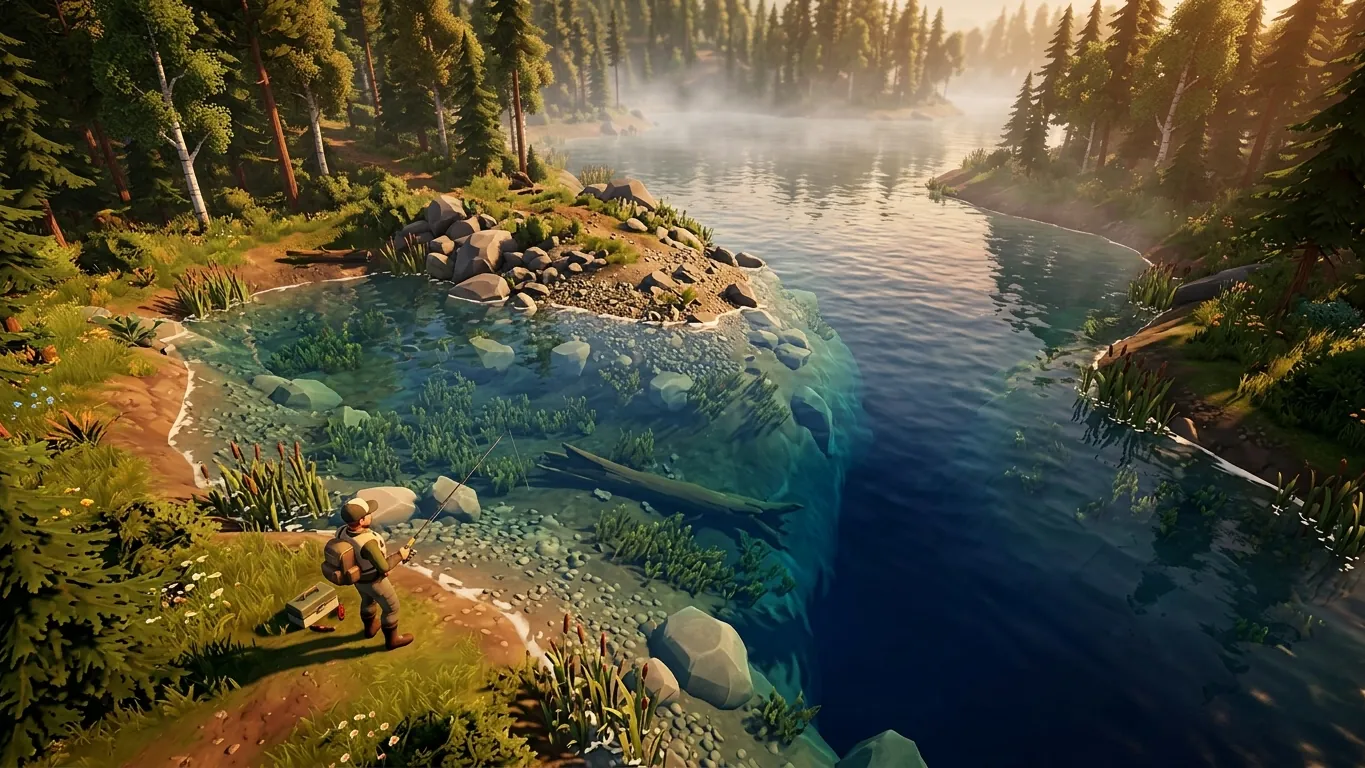
Every session should start with a question: where would this fish be right now? Before travelling to a water body, check which species live there and what the in-game information says about their preferred food and habitat.
Think about the fish's needs. Large predators often patrol areas with food and cover. Large bottom feeders often stay where food collects. Your job is to find the overlap between where the fish lives and where you can present a bait effectively.
A short plan helps. Choose two or three candidate spots and one main tactic. That gives you structure without locking you into a single idea for the whole session.
Reading Depth and Structure
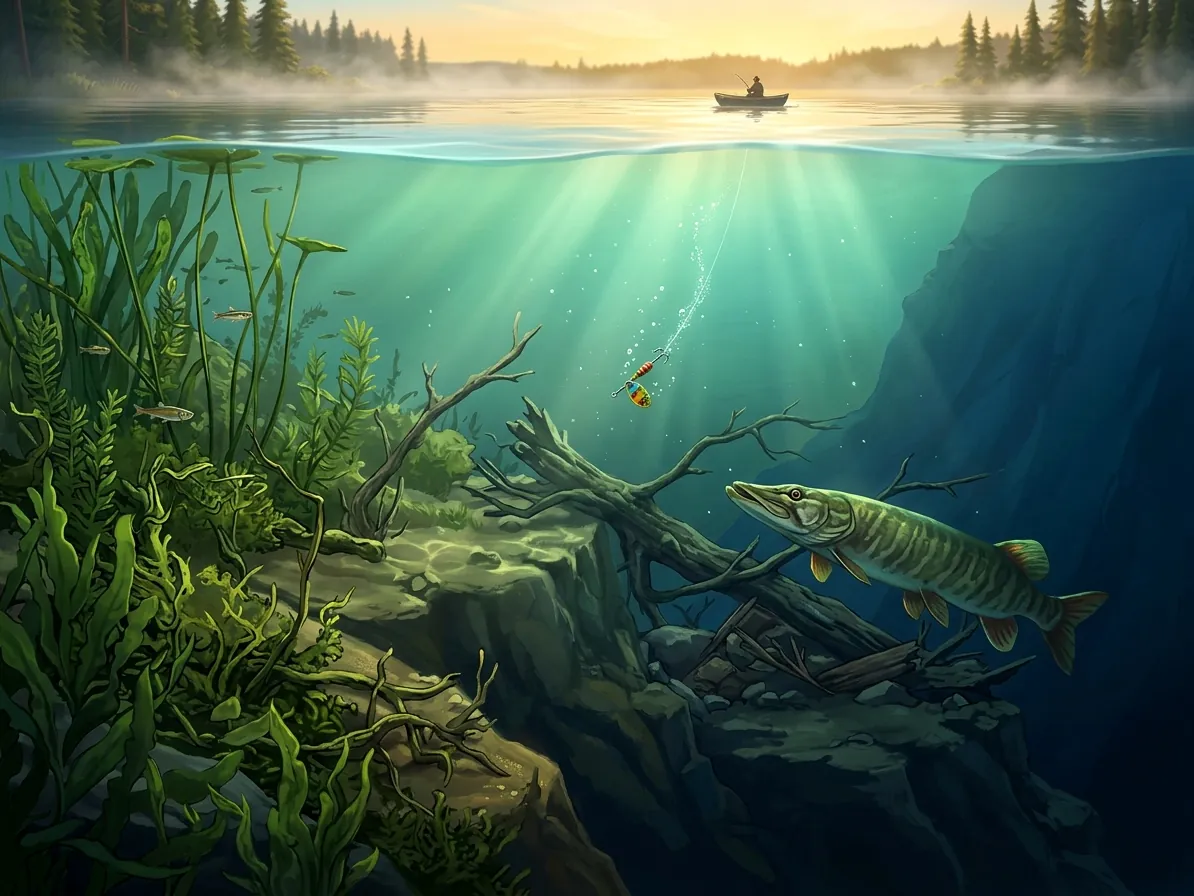
Depth changes are one of the most useful clues on any map. Drop-offs, channels, humps and the edges of weed beds give fish a reason to stop and feed.
When you arrive at a spot, take time to understand the bottom. Note where the depth changes quickly and where there are obstacles. These features are often where bigger fish hold, but they are also where snags happen, so balance your casts accordingly.
Avoid fishing only the easiest water. Open, flat areas are comfortable to cast into, but they may hold fewer large fish. Working the edges of structure usually requires more care and offers more interesting opportunities.
Active Versus Passive Approaches
An active approach means casting and retrieving lures, covering water and searching for a reacting fish. It suits predators and helps you learn a new area quickly.
A passive approach means placing baits and waiting, often with float or bottom setups. It suits fish that feed slowly or search the bottom, and it lets you hold a promising spot for a long time.
Neither is better in general. Choose based on the species and the conditions. Some players combine both, keeping a passive rod in a strong spot while working a lure nearby. That can be effective, but only if you can still react quickly when the passive rod gets a bite.
Patience and Rotation
Big fish are rare, so long quiet periods are normal. The difficult part is deciding when silence means waiting a little longer and when it means moving on.
Set a simple rule before you start. For example, give a spot a fixed amount of in-game time, then switch to the next candidate. This prevents two common errors: leaving a good spot too early and staying in an empty one far too long.
Keep track of small catches. If a spot produces lots of small fish of your target species, it may still be worth staying, because larger fish can share the same area.
When to Change the Plan
Plans should change when evidence changes, not when frustration grows. If the weather shifts, the time of day moves into a new period, or you notice fish behaving differently, it is reasonable to adjust.
Change one thing at a time. If you switch spot, bait and tackle all at once and then get a bite, you will not know which change helped.
After each session, write a short note about what you tried and what happened. Over time these notes reveal patterns that are hard to see in a single afternoon, and they make your next plan sharper.
Related articles
 Fighting a Big Fish Without Losing Your Head
An explainer on drag settings, line tension and calm fight technique for landing large fish in Fishing Planet without rushing the moment.
Read more
 What a Lost Fish Can Teach You
How to review failed big fish attempts in Fishing Planet, separate bad luck from bad choices and turn each lost fish into a useful lesson.
Read more
 Why Personal Goals Make the Hunt Better
An opinion piece on setting clear personal goals in Fishing Planet, measuring progress without a catch and keeping the big fish hunt enjoyable.
Read more